Dharmendra Pradhan Resigns as Union Education Minister Amid Growing Student Unrest
New Delhi: In one of the biggest political developments to come out of the Modi government in recent months, Union Education Minister Dharmendra Pradhan tendered his resignation on Saturday, bringing an abrupt end to weeks of mounting pressure from student groups across the country. The move comes after a sustained wave of protests triggered by allegations of irregularities and paper leaks in national-level entrance examinations, a controversy that had steadily escalated from campus demonstrations into a full-blown political crisis for the ruling establishment.
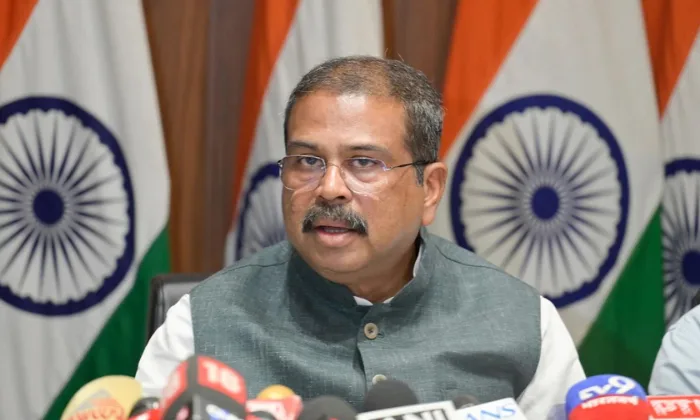
Pradhan, who has held the education portfolio since July 2021, announced his decision through a post on his social media handle, where he said his resignation had already been submitted to Prime Minister Narendra Modi. He framed the decision around the wellbeing of students, saying that young people should be free to focus on their studies and careers rather than get caught up in the fallout of the controversy. It was a carefully worded statement, one that avoided any admission of personal wrongdoing while still acknowledging the scale of public anger that had built up over the past several weeks.
For a government that has largely projected an image of stability and control, the resignation marks a rare and significant concession. Ministers in the current dispensation have historically weathered far louder storms without stepping down, which is precisely what makes Saturday's development so notable. It signals that the pressure from students this time was simply too large, too sustained, and too visible to be managed through the usual playbook of committees, statements, and quiet reassurances.
What Triggered the Protests
To understand why this resignation happened, it helps to rewind to where the trouble began. Over the past several months, students across the country have raised serious concerns about the conduct of major competitive examinations, particularly around question paper leaks and what many called deep structural flaws in the way these tests are administered. The National Testing Agency, the body responsible for conducting exams like NEET-UG and UGC-NET, found itself at the center of the storm, accused of failing to safeguard the integrity of tests that determine the academic and professional futures of lakhs of young Indians.
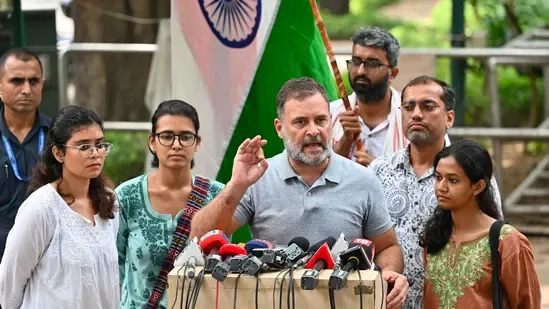
What started as scattered protests outside university gates soon grew into something far larger and harder to ignore. Student organisations, including several affiliated with opposition parties as well as independent groups, organised sit-ins, rail blockades, and marches in cities ranging from Delhi to Kolkata to Jaipur. A newer, more assertive group calling itself the Cockroach Janata Party emerged as one of the louder voices in this movement, working alongside more established student unions to keep the pressure on the ministry. Their central demand was consistent throughout: accountability for the lapses, structural reform of the examination process, and in many cases, the resignation of the minister overseeing it all.
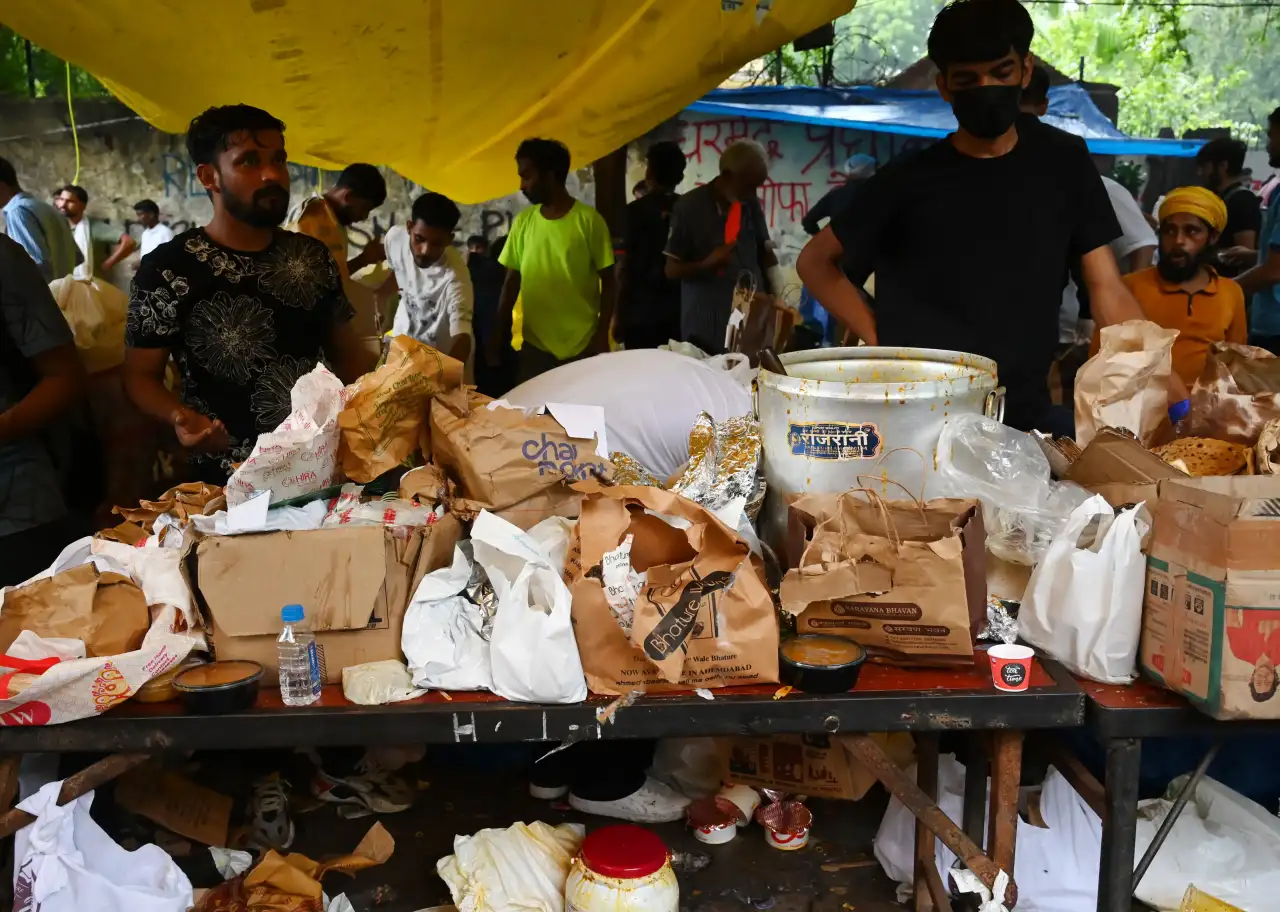
Jantar Mantar in the capital became something of a symbolic ground zero for these demonstrations, with students camping out for days at a stretch, refusing to budge until their demands were addressed. What made this round of protests different from earlier, smaller flare-ups over the years was the sheer persistence of the students involved. They didn't disperse after a news cycle or two. They kept showing up, kept organising, and kept the issue firmly in the public conversation, even as the government tried to move the narrative along with promises of internal reviews and reform committees.
The Resignation, In His Own Words
When Pradhan finally made his announcement, he did so directly, through a post on X rather than a formal press conference, which itself was seen by many as an attempt to control the framing of the moment. In his message, he cautioned against what he described as attempts by anti-national elements to exploit the situation, and stressed that no student's future should be jeopardised or dragged into legal complications because of the controversy. His central message was that students needed to be able to return their attention to their studies and their careers, and that keeping this in mind, he had decided to step aside.
It was a resignation delivered with the tone of someone taking moral responsibility rather than admitting direct fault, a distinction that will likely be debated in political circles for days to come. Pradhan did not explicitly acknowledge any personal failure in overseeing the examination process, nor did he name individuals or agencies responsible for the leaks. Instead, his statement leaned heavily on the idea of prioritising students above all else, a framing that allows him to exit the role on his own terms while still responding to the demand that had defined the protests from the very beginning.
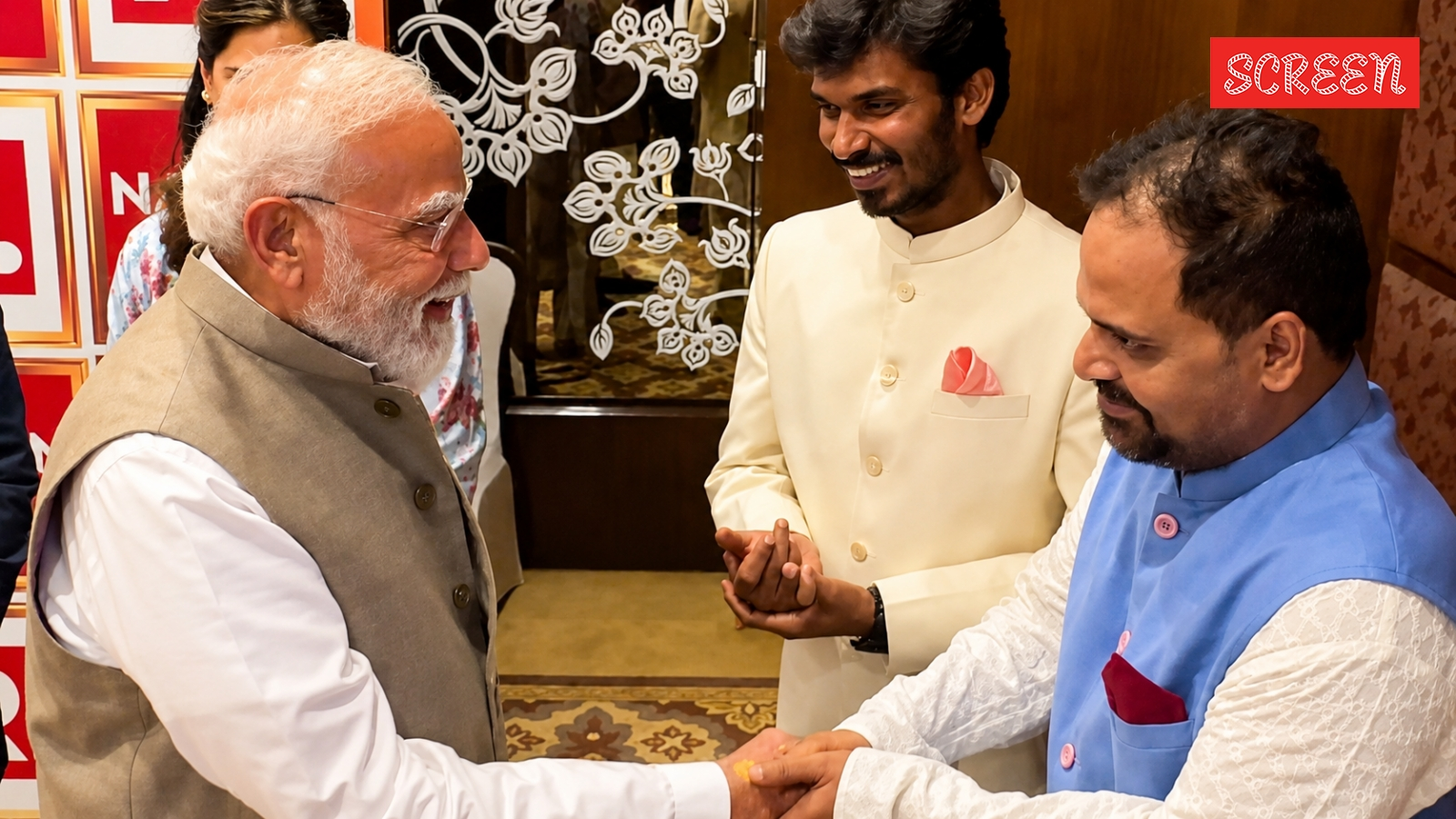
The Prime Minister's Office has not yet issued a detailed public statement on the resignation, though sources within the party suggest that discussions around a replacement for the education portfolio are already underway. Given the sensitivity of the timing, with several state elections and academic calendars in the balance, the choice of the next Education Minister is expected to be closely watched, both for its policy implications and for what it signals about how the government plans to handle the fallout from this episode.
Political Reactions Pour In
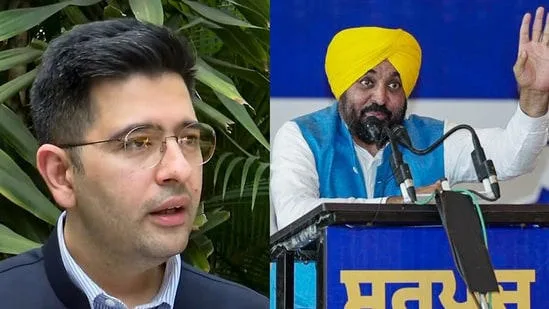
As is often the case with high-profile resignations in Indian politics, reactions from across the spectrum came in fast. Opposition parties, many of which had been demanding Pradhan's resignation for weeks, were quick to claim a degree of vindication, framing the outcome as proof that sustained public pressure can force accountability even at the highest levels of government. Several opposition leaders argued that the resignation, while welcome, was overdue, and that the damage to an entire academic year's worth of students had already been done by the time the minister decided to step down.
Within the ruling party, the messaging has been notably more measured. Some BJP leaders have described the move as a reflection of Pradhan's personal integrity and his willingness to prioritise the interests of students over his own political position. Others have been more circumspect, choosing not to comment extensively while the party works out its next steps. There is an unmistakable sense within government circles that this resignation, however it is framed publicly, represents a setback that the party would have preferred to avoid, particularly given how central education and youth employment have been to its broader political messaging in recent years.
Student unions themselves, meanwhile, have offered a mixed response. While many welcomed the resignation as an acknowledgment of their concerns, several groups were quick to clarify that stepping down was only the first step, not the resolution they were ultimately seeking. Their core demands, including a scrapping or overhaul of the National Testing Agency, a fresh and transparent investigation into the leaks, and guarantees against similar lapses in future exam cycles, remain very much on the table. For many of the students who spent weeks camped out in protest, Pradhan's exit is seen as a moment of validation, but not the finish line.
Who Is Dharmendra Pradhan?
For those less familiar with his political trajectory, Pradhan has been one of the more prominent faces in the Modi cabinet over the past decade. A veteran BJP leader from Odisha and a former member of the Akhil Bharatiya Vidyarthi Parishad, the party's student wing, he built his early political identity around grassroots organisational work before rising through the ranks nationally. Before taking charge of the education ministry in 2021, Pradhan held some of the more high-profile portfolios in the government, including petroleum and natural gas, as well as skill development and entrepreneurship.
His tenure as Education Minister was defined in large part by the rollout and implementation of the National Education Policy, a sweeping set of reforms aimed at overhauling India's schooling and higher education systems. He was also a frequent presence in state-level political battles over education policy, including a prolonged and often tense back-and-forth with the Tamil Nadu government over the state's reluctance to sign onto certain central education schemes. That relationship, already strained, had become one of the more visible flashpoints of his time in office even before the current controversy erupted.
Pradhan, 56, now becomes one of the more senior ministers to step down from the Modi cabinet in recent years, and his departure is likely to be studied closely as a case study in how sustained, organised student pressure can shape outcomes even within a government known for rarely backing down publicly.
What Happens to the National Testing Agency Now?
One of the more pressing questions in the aftermath of the resignation is what becomes of the National Testing Agency itself. Throughout the protests, the NTA had been positioned by student groups as the primary institutional villain of the piece, accused of lax security protocols, poor coordination, and a lack of transparency when irregularities came to light. The Education Ministry, for its part, has maintained that corrective steps were already being taken, including investigations by central agencies into the alleged leaks and a broader review of how competitive exams are conducted and secured.
Whether Pradhan's resignation translates into structural changes at the NTA remains to be seen. Critics argue that a change of face at the top of the ministry means little if the underlying systems that allowed the leaks to happen in the first place are left untouched. There have been renewed calls, echoed by opposition parties and student bodies alike, for an independent audit of the agency's processes, greater use of technology to prevent leaks, and stricter accountability measures for those found responsible for security lapses.
Education policy experts have also pointed out that the controversy has reopened a broader conversation about the centralisation of entrance exams in India. Over the past several years, a growing number of examinations that were once handled at the state or institutional level have been brought under the NTA's single national umbrella, a shift that was meant to streamline the admissions process but has also concentrated an enormous amount of responsibility, and risk, in one agency. Whether this episode prompts a rethink of that centralisation strategy, or simply results in tighter oversight of the existing structure, will likely become clearer once a new Education Minister is formally announced and outlines their priorities.
The Road Ahead
For now, the immediate focus will be on who succeeds Pradhan and how quickly the new minister moves to address the concerns that fueled weeks of unrest. Given how visible and prolonged the protests were, there is likely to be significant pressure on the incoming minister to make an early, visible statement of intent, whether that comes in the form of new examination security measures, a reconstituted NTA leadership, or a formal inquiry into how the leaks occurred in the first place.
There is also the broader political dimension to consider. With student anger having translated into one of the more effective protest movements the country has seen in recent years, the way the government handles the transition will be watched closely by political observers as an indicator of how it plans to manage youth-driven discontent going forward. Education, employment, and the fairness of competitive exams have become deeply personal issues for millions of young Indians, and how this chapter closes is likely to shape public trust in the examination system for years to com.
Students who had gathered at protest sites like Jantar Mantar have indicated that they intend to continue monitoring developments closely, rather than declaring the matter resolved simply because a resignation has occurred. For them, the real test will be whether the systemic issues they raised, paper leaks, lack of accountability, and the opacity of the examination process, are genuinely addressed in the weeks and months ahead, or whether Saturday's resignation ends up being remembered as a symbolic gesture rather than the start of real reform.
As things stand, Dharmendra Pradhan's exit closes one chapter of this controversy, but the questions that fueled the protests in the first place are far from settled. All eyes will now turn to South Block and to who the Prime Minister chooses to hand the education portfolio to next, and more importantly, what that person decides to do with it.